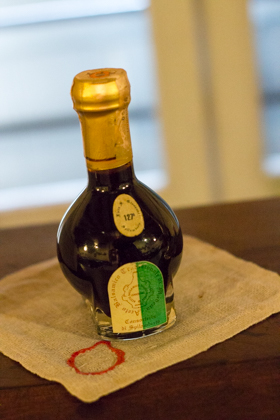
Traditional “extra-vecchio” balsamic vinegar from Modena
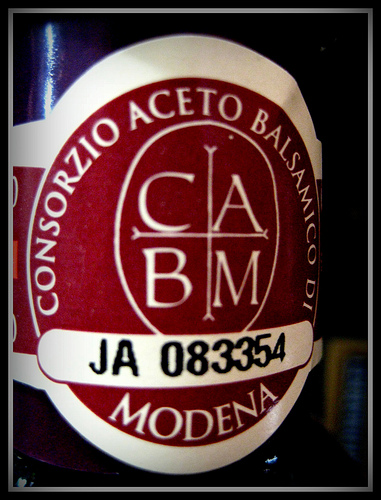
Balsamic vinegar by Shannon Ramos
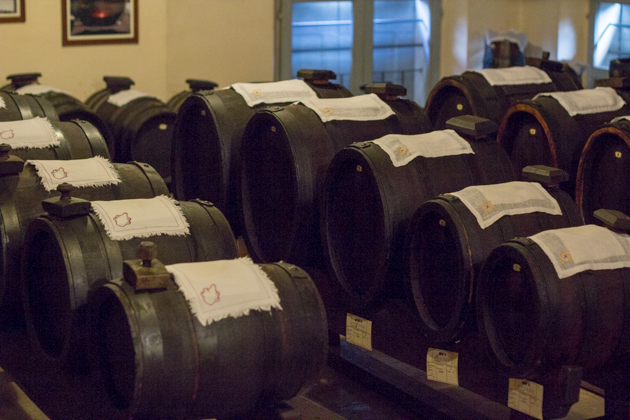
Barrels of traditional balsamic vinegar
Origin and history of traditional vinegar
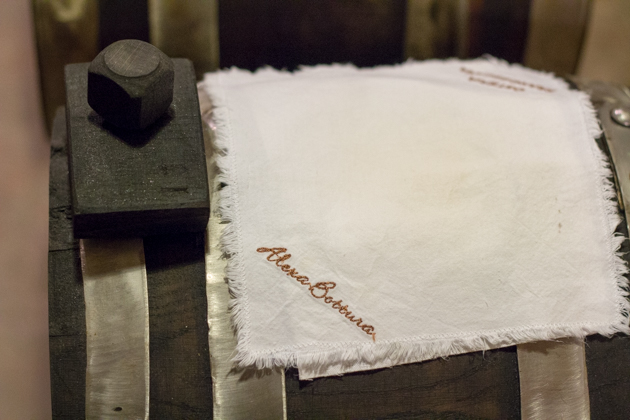
A barrel for Alexa Bottura, the daughter of Massimo Bottura (the chef at Osteria Francescana)
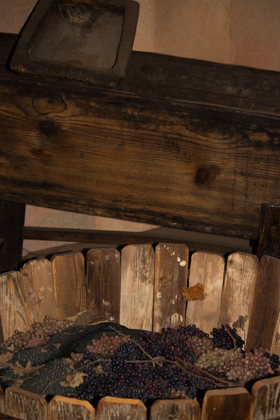 The grapes |
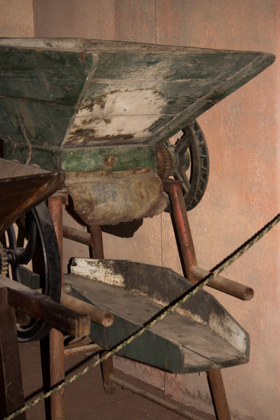 The pigiatrice (for pressing grapes) |
Process
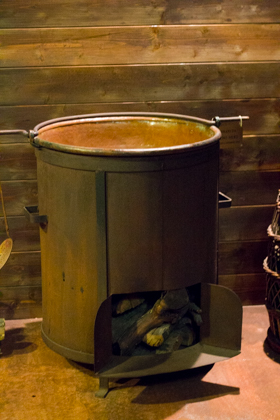
The copper cooker for the grape must
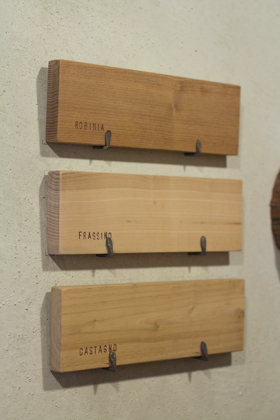
Different types of wood used for the barrels to impart flavour
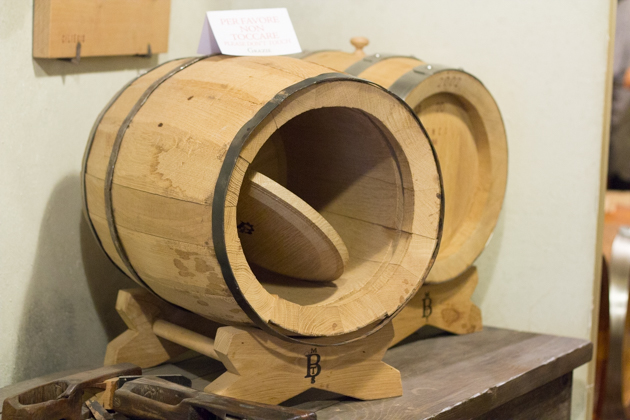
Only smooth wood can be used for barrels
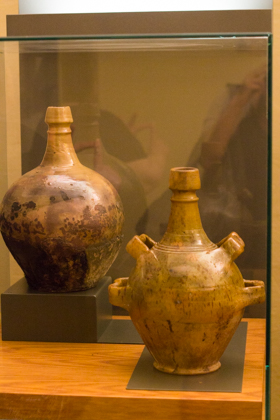
Traditional terracotta containers which would be hung from the rafters
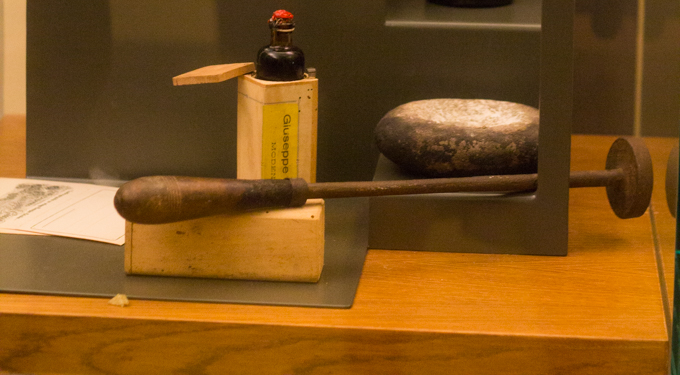
The concave stones which have been eaten by the acidity in the vinegar
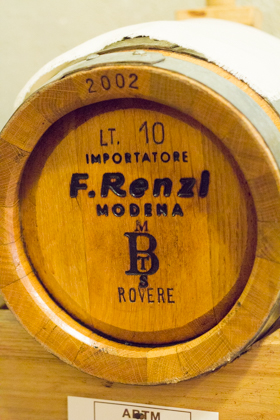
A 10 litre durmast oak barrel
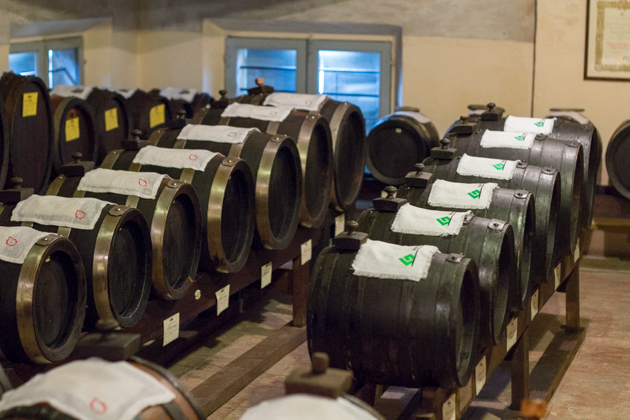
Rows of barrels in order of size
Taste
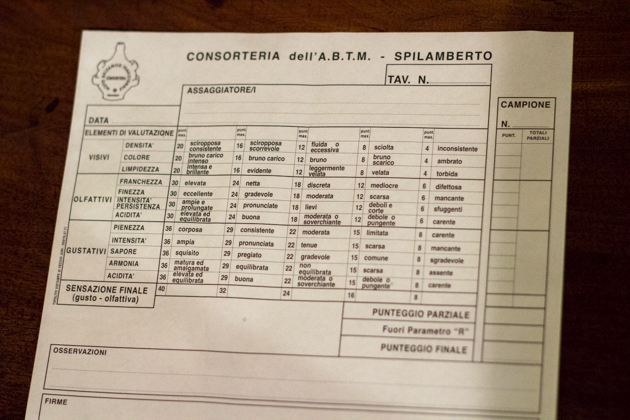
The judge’s scoring pad
Characteristics of the different types of traditional balsamic vinegar
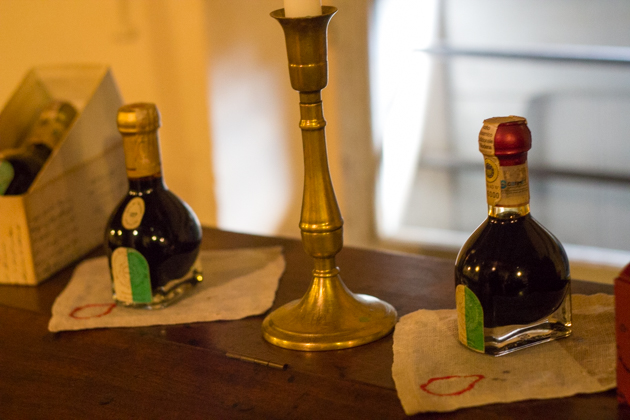
Modena‘s traditional balsamic vinegar: extra-vecchio (25 years old on the left) and affinato (12 years old on the right)
Condimento
This is balsamic vinegar which does not have the approval of the Balsamic Vinegar Consortium. There are no standards or labelling systems so their quality may vary greatly.
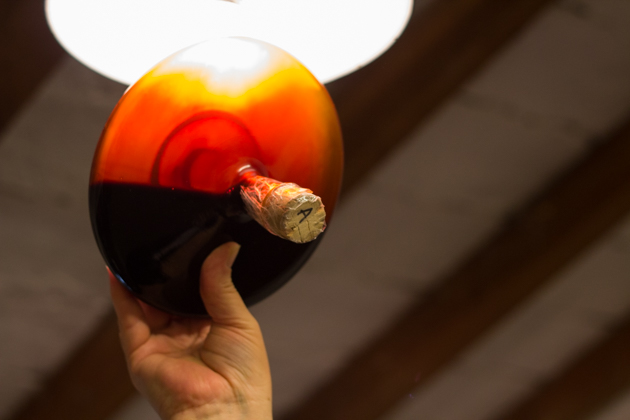
12 year-old “affinato” and its tell-tale amber colour
Affinato / Aragosta
Argento
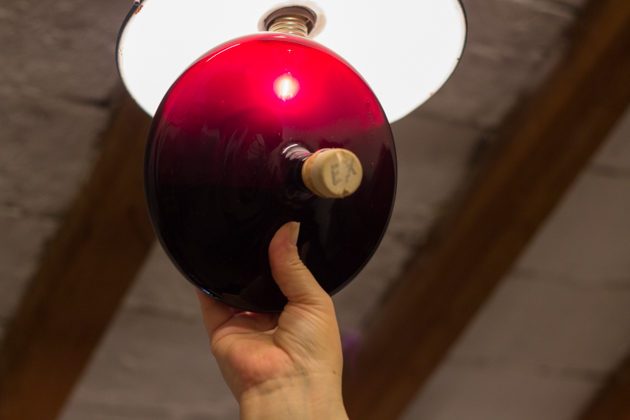
The 25 year-old “extra vecchio” and its characteristic ruby red colour
Extra-vecchio / Oro
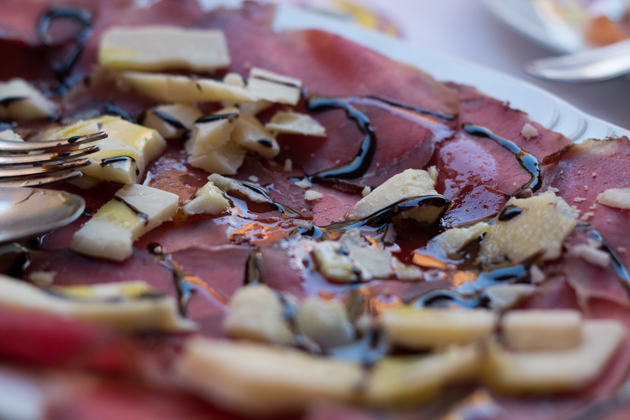
Parmigiano-Reggiano with traditional balsamic vinegar and carpaccio
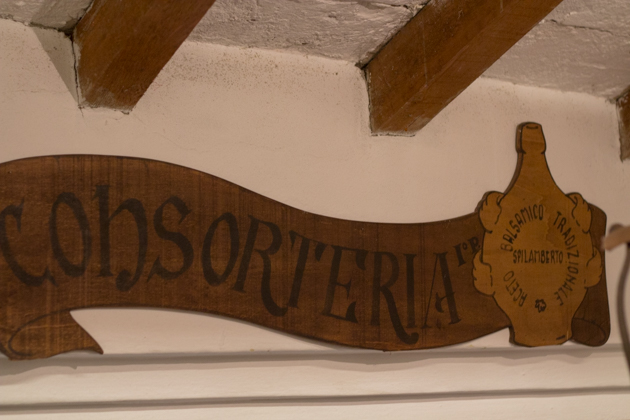
Consorzio Tutela Aceto Balsamico Tradizionale
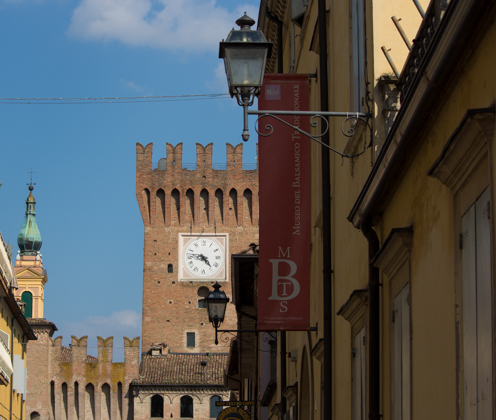
The Balsamic Vinegar Museum

Leave a Reply